


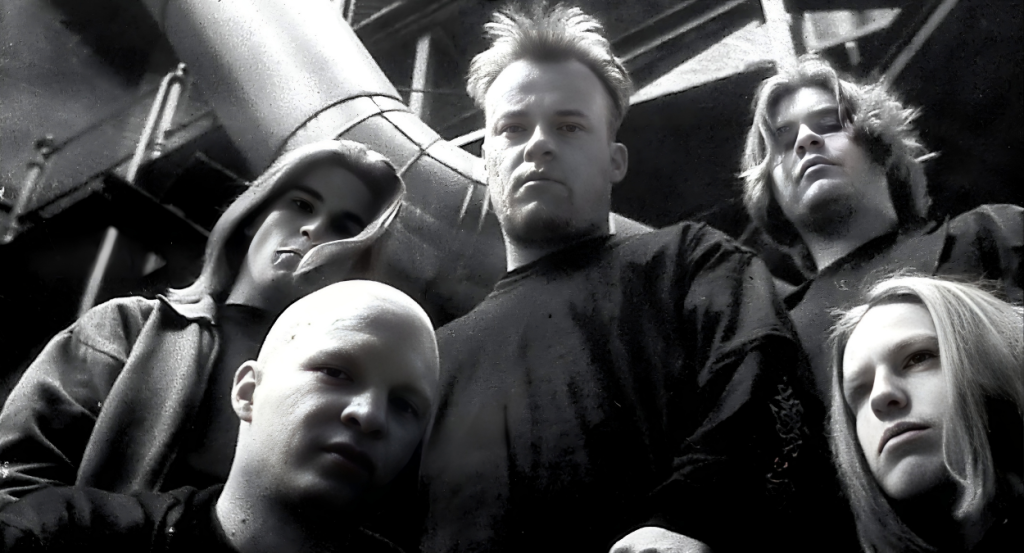

Rather than simply railing against the world, German-based band Coma Beach probe its contradictions and the painful absurdity of being trapped within them. The result is music that feels rebellious, cerebral, theatrical and deeply human.
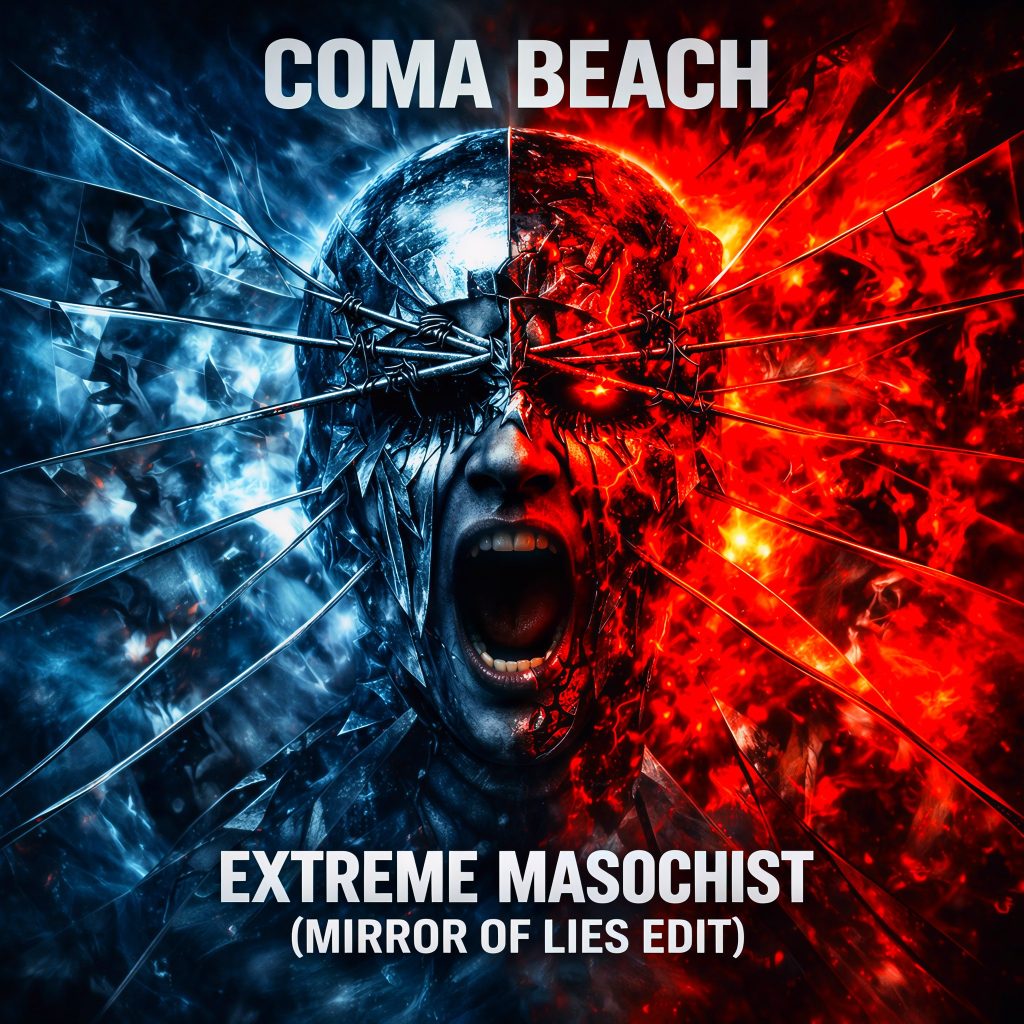
Three decades after their original debut, the band return with “The Scapegoat’s Agony (Edits, Odds & Ends),” a 19-track compilation that revisits and expands their 1995 concept album “The Scapegoat’s Agony.” Released in early June 2026, the collection gathers 13 specially edited versions of tracks from the original album, all three songs from the band’s second demo tape, and three tracks from their first demo, recorded in 1993. Running for over an hour, it offers a compelling view of a band whose music has long occupied the uneasy space between punk’s raw nerve and the darker, cerebral impulses of alternative rock.
Coma Beach have never sounded interested in making comfortable music. Their work is abrasive, theatrical and emotionally volatile, confronting human suffering, isolation, absurdity and existential despair through a distinctly literary imagination. Drawing on figures such as Samuel Beckett and Arthur Schopenhauer, the band turn philosophical pessimism and the absurdities of existence into fractured psychological portraits rather than straightforward narratives.
Musically, “The Scapegoat’s Agony (Edits, Odds & Ends)” draws much of its force from the imperfections of its underground aesthetic. Gritty electric guitar riffs grind against deep, driving basslines, distortion and analog fuzz. Atmospheric gaps and abrupt transitions create a persistent sense of physical unease. The guitars frequently swell into a wall of sound, yet the production avoids feeling polished or sanitized. These edits leave the rough edges intact, giving the songs the immediacy of a band pushing itself to full emotional capacity in a dark, crowded club.
The compilation establishes its character quickly. “The Past Of The Future (Sharp Little Knife Edit)” begins with ominous samples before breaking into a relentless punk assault. Apocalyptic imagery, paranoia, memory and fate collide inside a frantic arrangement built for a mosh pit. The past becomes an almost living presence, an inescapable force pursuing its victim. The track is atmospheric, menacing and remarkably addictive.
Elsewhere, “A Madman’s Dream (Bad Seed Edit)” slowly tightens its hypnotic groove until it reaches a chaotic crescendo. Playful, jagged guitar work lends the song the feel of a warped parade before the mood collapses into psychological nightmare. “The Final Door (Hopeless Cases Edit)” moves at a slower, grimmer pace, settling into a funeral march rhythm with an almost ritualistic weight. The effect is one of steady, unavoidable descent.
That theatrical instinct carries into “Another Song (Enjoy The Show Edit),” where deliberate pacing and carefully controlled tension deepen the lyrical despair. “Nothing Right (Character In A Play Edit)” takes a more conversational, sardonic approach, delivering its disillusionment with a sharp, self-critical bite. “Mind Descending (Invisible Sun Edit)” channels psychological collapse through a tight, rapid-fire punk attack. On “Jesus’ Tears (Crimson Stain Edit),” harsh tempos and biting cynicism turn toward sacrifice, communal guilt and revenge.
At the center of the record is frontman B. Kafka, whose voice works as another volatile element within the guitars and drums. His delivery can erupt into desperate screams and an almost unhinged roar, giving physical shape to the instability and psychological unraveling running through these songs. On slower material, however, Kafka sounds dry, weathered and scraping, as though the existential crises in the lyrics have worn directly into his voice. That contrast supplies much of Coma Beach’s emotional power. The desperation feels inhabited rather than performed.
Ultimately, “The Scapegoat’s Agony (Edits, Odds & Ends)” serves as a fascinating document of Coma Beach’s artistic world, where raw punk energy passes through literature, philosophy, theatre and psychological darkness. Thirty years later, these songs have lost none of their abrasive character. Time may even make their worldview feel sharper. This is music for the restless and disillusioned, and for anyone willing to stare directly into the absurdity of existence while turning the volume higher.
Stay connected with Coma Beach on Instagram, YouTube, Apple Music, X, Facebook, SoundCloud, and TikTok.