




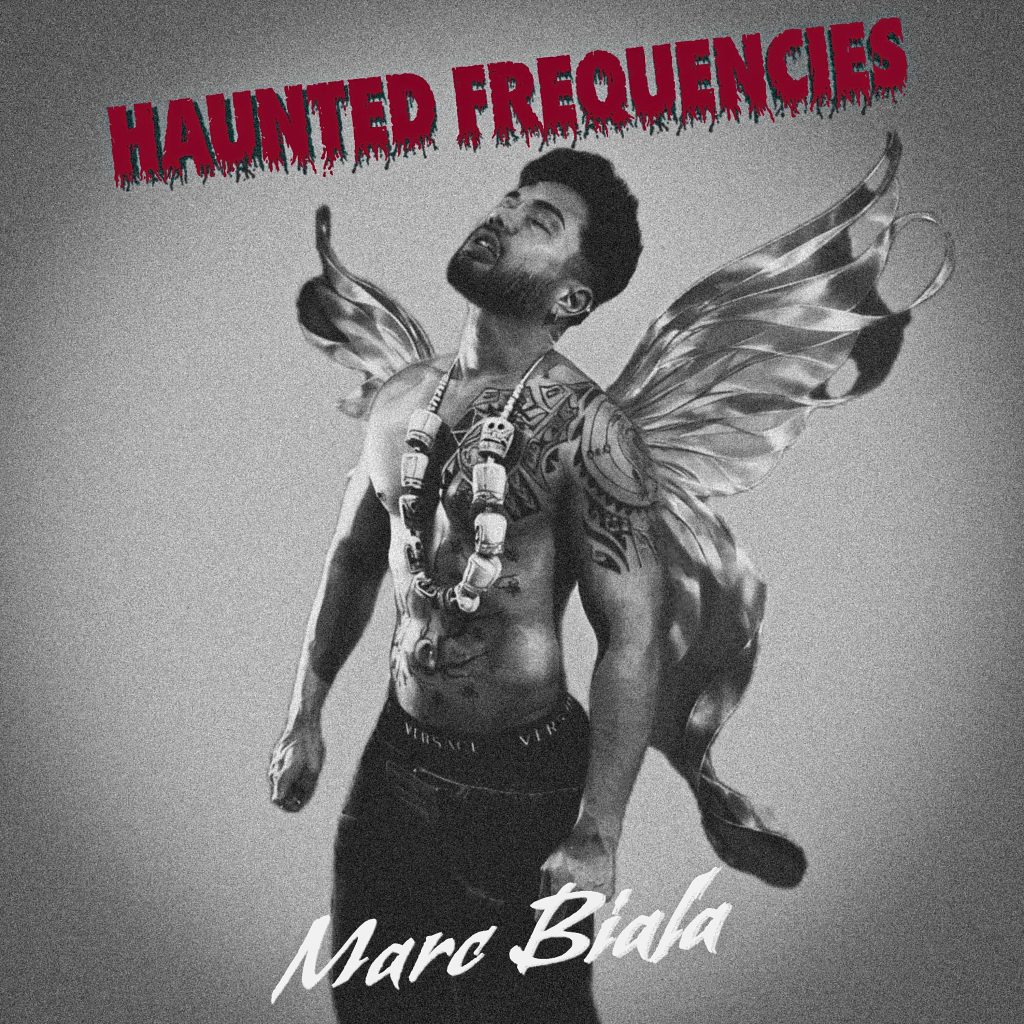
Marc Biala is a psychiatric specialist in Austin, Texas, who provides transgender care. Outside that work, he writes, sings, and produces rock and experimental music. His songs are self-contained worlds built from horror imagery, emotional rupture, dark humor, and the instinct to keep going. After releases such as “Glitchy + Bitchy” and “Call My Dominicano Cowboy,” Biala is preparing to release “Haunted Frequencies” on October 31, 2026. Heard in advance, the eight-track album traces temptation, betrayal, family, grief, self-worth, and survival without smoothing away their harsher edges.
The rollout began on July 24 with “The Witch Who Raised Me,” but the album opens elsewhere, in the reckless momentum of “Midnight Mayhem.” Punk-inspired hard rock guitars push the track forward as Biala follows the thrill of pursuing something exciting until desire becomes control. The song carries the atmosphere of a night that keeps escalating after good judgment has left the room. Attraction and danger gradually become difficult to separate, giving the album an immediate sense of instability. Biala begins “Haunted Frequencies” already close to the point where freedom can tip into self-destruction.
“Vampire Kisses” slows that momentum into the seductive ache of emotional dependency. Atmospheric guitar layers and a laid-back mid-tempo groove create a warm pop rock setting, while Biala’s smooth vocal keeps the danger beneath the surface. Around 1:55, restraint gives way to the desperate plea, “You don’t know how I truly feel right now… I need that love from you.” The arrangement then recedes at 2:25 for the soaring line “You lived in me through every age…” before the final chorus surges back. A fragile solo guitar carries the song toward its fade near 2:55. The quiet ending fits a relationship that consumes its subject slowly, leaving him aware of the damage but unable to loosen its hold.
The mood turns openly hostile on “Better Than You Motherfuckers.” A fast pop punk groove and aggressive electric riffs give Biala room to confront years of disappointment without dressing the anger up as composure. The song contrasts human betrayal with the dependable loyalty he has found in animals, and its shouted gang vocals make that grievance feel communal. Around 1:55, the instrumentation drops away for the chant “They stayed, you left,” then crashes back through a screamed rock breakdown. The track is deliberately abrasive, yet its fury has a clear source. What sounds chaotic is rooted in the recognition that loyalty often arrives from unexpected places.
At the album’s center, “The Witch Who Raised Me” brings a different kind of intensity. Written for Biala’s mother’s seventieth birthday, the song reclaims a word meant to wound and turns it into a title of strength. The “witch” is no fairy tale villain. She is the woman whose resilience, sacrifice, and love shaped him. A steady 91 BPM groove supports warm acoustic strumming before crisp, overdriven guitars enter. Biala sings with bright, clean conviction, drawing on images such as “pentagrams on the bathroom mirror” and the memory that “every scar… she called it grace.” Layered harmonies lift the chorus on “They called her crazy… but she gave me that fire”. The polished arrangement gives the tribute scale without losing its intimacy. Beneath the supernatural language is a direct expression of gratitude for the strength one generation passes to the next.
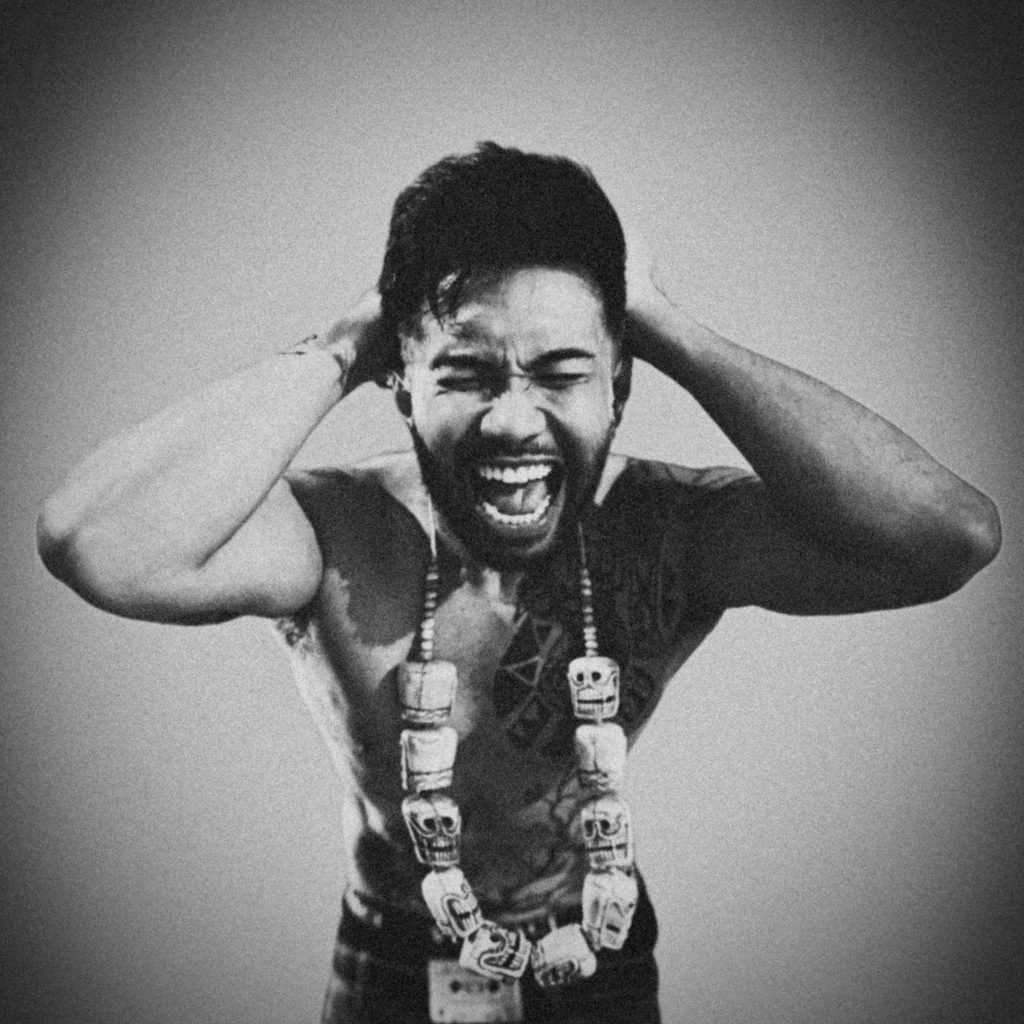
“Pack of Wolves” widens that idea of family. Stadium-sized guitars drive a high-energy alternative rock anthem about brotherhood, loyalty, and the people who choose to remain present. At 2:05, the production falls back to raw acoustic guitar, then bursts into a distorted breakdown with “Loyalty is a warpath!” The closing chant, “No leash, no filter…”, leaves the song suspended between solidarity and defiance. Its wolf imagery may be blunt, but it suits Biala’s belief that connection can become a means of survival. Family, in this world, is defined by commitment rather than blood alone.
“Still Here Somehow” lowers the volume and turns toward grief. Biala writes about carrying someone after their absence has become permanent, finding their presence in memories and in the quiet habits loss leaves behind. The hard rock ballad does not treat grief as a problem that reaches a clean conclusion. It sits with the way memory changes shape while remaining close. Within an album filled with monsters and haunted spaces, this song offers the clearest explanation of what the ghosts really are. They are the people and moments that continue living inside us.
“Howl” converts uncertainty into a personal awakening. Clean, echoing electric guitar lines and a warm bassline open into a punchy rock beat. Biala begins with smooth, rhythmic verses, but the performance grows more volatile as the track develops. Around the 2:17 mark, raw screamo growls break through, reinforced by high-register backing harmonies. The shift mirrors the movement from self-doubt toward self-acceptance. Years of questioning his worth gather into a release that feels physical. By the song’s loudest point, finding a voice has become an act of self-recognition.
The closing track, “6 Feet Calling,” takes the album to its darkest emotional edge. Atmospheric synth pads hover over a shadowy R&B and rock beat as Biala sings in an intimate lower register. At 1:45, the production strips back to acoustic guitar, allowing the song’s despair to sit in full view. His voice peaks at 2:05 on “I don’t break, I just bend!” The decisive change comes at 2:50, when “gone by tonight” becomes “6 feet calling, but I walk away… not today.” That lyric shift carries the record from confrontation into choice. The darkness remains real, but the speaker refuses to let it make the final decision.
When “Haunted Frequencies” arrives on October 31, it will introduce listeners to an album that treats pain as complicated, persistent, and transformable. Biala draws from punk, hard rock, alternative rock, and experimental textures while keeping the personal stories in view. The record moves through desire, anger, devotion, grief, and despair, then closes on a quiet refusal to disappear. Its ghosts never fully leave. What changes is Biala’s willingness to face them, name them, and turn their noise into songs of his own.
Follow Marc Biala: Instagram · YouTube · Spotify · Apple Music · TikTok · Facebook · Bluesky · X